

When an Electric Shutter Stops Working
Motorized hurricane shutters make storm preparation easier, but they rely on several components working together: the shutter curtain, tracks, drive assembly, motor, wiring, and controls. A shutter that will not open or close does not automatically need a new motor.
Start by observing what happens when you use the normal wall switch or remote. The symptoms can help a qualified shutter technician identify whether the problem is mechanical, electrical, or related to the controls.
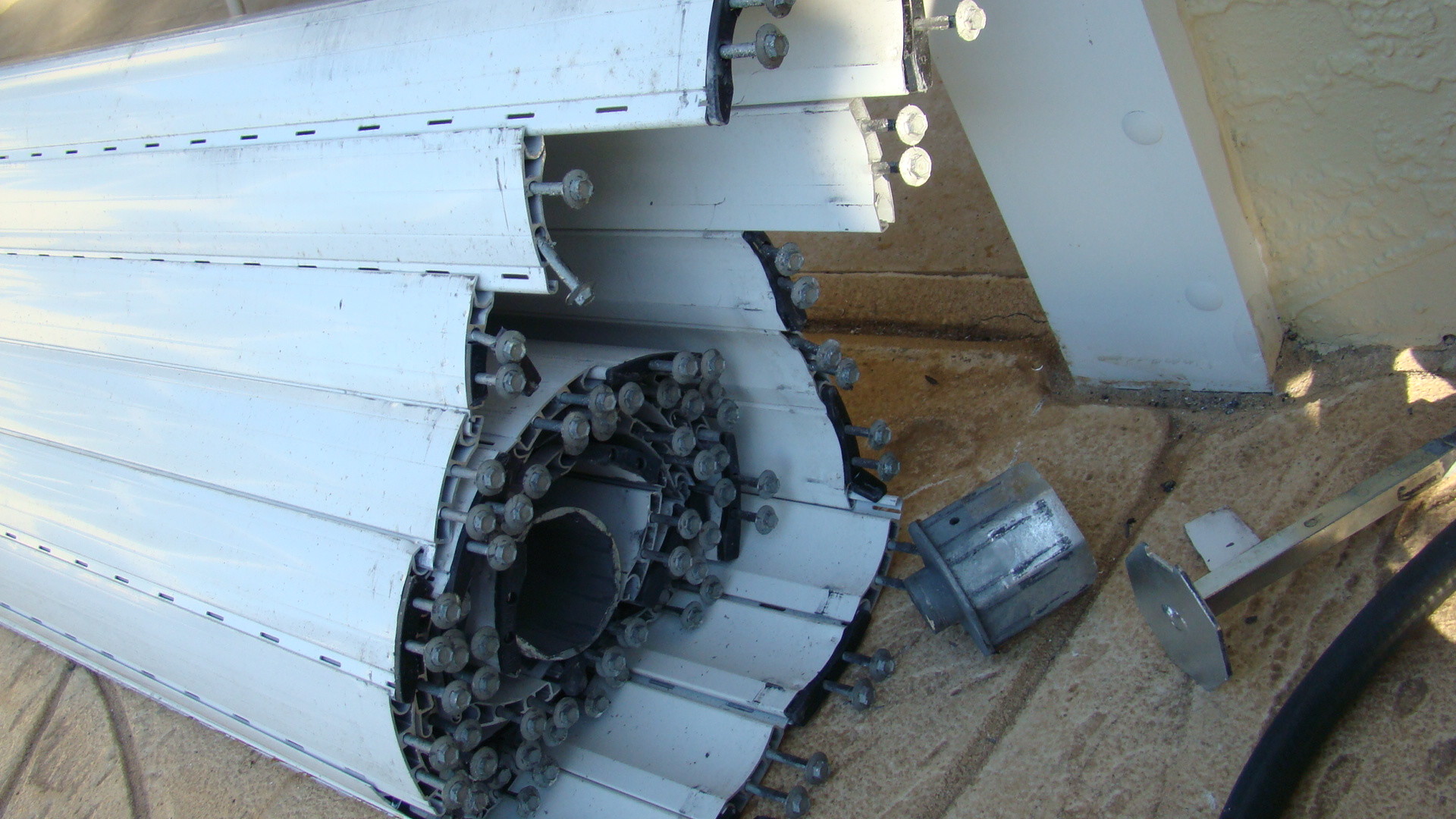
1. The Shutter Does Not Respond at All
If the shutter is completely silent and does not move, possible causes include loss of electrical power, a control or switch problem, wiring trouble, or a failed motor. Some systems also use receivers or other electronic controls that can malfunction.
Without opening electrical equipment, check whether other household devices have power and whether the shutter's normal controls appear to be working. If multiple shutters fail at the same time, tell your service technician; that detail may help narrow down a shared power or control issue.
2. The Motor Hums, but the Shutter Does Not Move
A humming or buzzing sound without shutter movement can occur when the shutter is obstructed, the drive mechanism is binding, or the motor or associated components are struggling. It is not proof that the motor itself has failed.
Stop operating the switch if the shutter does not move normally. Repeated attempts can overheat components or worsen mechanical damage.
3. The Shutter Stops Partway Up or Down
A motorized shutter that starts moving but stops before reaching its normal position may be encountering resistance in the tracks, a mechanical defect, a control or limit-setting issue, or a motor-related problem. The specific cause depends on the shutter design.
Watch from a safe distance for uneven travel, rubbing, or unusual sounds. Do not push, pull, or force the shutter to complete its travel.
4. The Shutter Moves Slowly, Jerks, or Sounds Different
Slow movement, hesitation, grinding, or new scraping sounds can indicate wear, track friction, misalignment, or drive-system trouble. Coastal exposure, accumulated debris, and long periods without operation can contribute to these symptoms.
A professional inspection can determine whether the shutter needs maintenance, a mechanical repair, or work on the motor and controls.
5. The Wall Switch or Remote Works Intermittently
If a shutter responds sometimes but not consistently, the problem may involve the switch, remote, receiver, connection, or another control component. On systems with battery-powered remotes, follow the manufacturer's instructions for checking or replacing remote batteries.
Avoid resetting motor limits, rewiring switches, or opening electrical enclosures unless you are a qualified professional working with the correct system instructions.
Does an Electric Shutter Need a New Motor?
Not necessarily. A motor replacement may be appropriate when testing confirms motor failure, but similar symptoms can come from damaged tracks, worn drive components, control problems, or electrical supply issues. Replacing a motor without identifying the underlying cause may not resolve the problem.
The best first step is a diagnosis of the complete shutter system, including its movement, mechanical components, and controls.
What Can a Homeowner Safely Check?
- Observe whether the shutter is silent, humming, moving slowly, or stopping midway.
- Look for visible debris or damage from a safe position without touching moving parts.
- Check whether other electrical devices are functioning normally.
- For a battery-powered remote, consult its instructions for a routine battery check.
- Record which shutters are affected and when the problem began.
- Stop using the shutter if it binds, makes unusual noises, or does not move correctly.
When to Request Professional Shutter Repair
Contact a shutter service professional if the motor hums without movement, the shutter repeatedly stops, the controls fail intermittently, or the system shows signs of damage. Professional diagnosis is especially important before hurricane season, when a shutter needs to operate reliably.
Jordan’s Shutters provides hurricane shutter repair and maintenance services in Southwest Florida. Explore our repair and maintenance services or contact us about your shutter problem.