

Why Routine Hurricane Shutter Maintenance Matters
Hurricane shutters often spend months without being operated. Along Florida’s Gulf Coast, salt air, moisture, windblown debris, and ordinary wear can affect tracks, fasteners, hinges, controls, and moving parts. A shutter that worked last season may not work as expected when you need it again.
A practical maintenance routine focuses on visual inspection, safe operation when appropriate, and timely professional service. The exact procedures vary by shutter type and manufacturer.
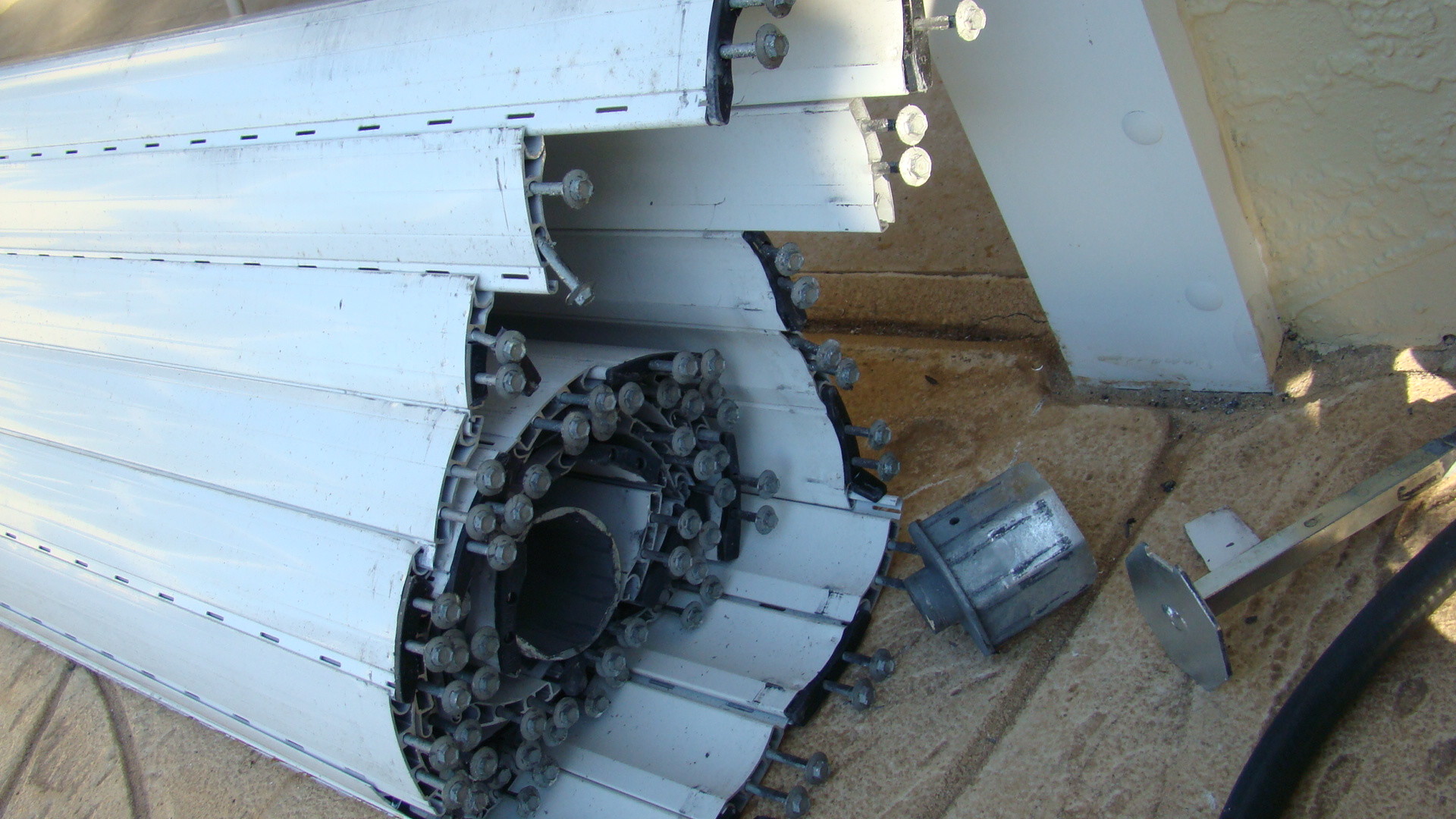
1. Look for Visible Damage and Corrosion
From a safe location, check for bent panels, loose or missing visible hardware, corrosion, damaged fasteners, or signs that parts have shifted. Pay particular attention to shutters exposed to coastal air or persistent moisture.
Do not climb onto unsafe surfaces, remove covers, or attempt to tighten structural attachments without the proper guidance and equipment. A qualified technician can assess questionable components.
2. Check Tracks and Openings for Debris
Leaves, sand, dirt, and small obstructions can interfere with shutter movement. Inspect accessible tracks and openings visually while the shutter is stationary. If your manufacturer permits routine cleaning, follow its instructions and avoid damaging finishes or components.
Never reach into a moving shutter, force a jammed panel, or attempt to clear a blockage while a motor is operating.
3. Observe How the Shutters Operate
Where it is safe and consistent with the manufacturer’s instructions, operate shutters periodically rather than waiting until a storm is forecast. Watch for sticking, uneven movement, unusual noises, or a shutter that stops before reaching its intended position.
If a shutter binds or does not move normally, stop and arrange an inspection. For more on common symptoms, read why hurricane shutters get stuck.
4. Pay Attention to Motorized Systems
Electric shutters have additional components, including switches, remotes, motors, and controls. Notice whether a shutter responds consistently and travels smoothly. If the motor hums without movement or the shutter stops midway, avoid repeated attempts to run it.
For specific warning signs, see our guide to electric hurricane shutter motor problems. Electrical testing, wiring repairs, and motor adjustments should be left to qualified professionals.
5. Follow the Manufacturer’s Cleaning and Lubrication Instructions
There is no universal lubricant or cleaning procedure for every hurricane shutter. Some systems require specific products or maintenance methods; using the wrong spray or grease can attract dirt or damage components.
Use the care instructions for your particular shutter model. If the manufacturer is unknown, ask a shutter service professional before applying lubricants or making adjustments.
When Is the Best Time to Schedule Maintenance?
Plan an inspection and any needed repairs well before hurricane season, rather than waiting for a storm warning. In the Atlantic basin, hurricane season runs from June 1 through November 30. Early attention leaves more time to address worn parts or operating problems.
Also consider a check after a major storm, after long periods of nonuse, or whenever you notice new resistance, noise, corrosion, or visible damage.
A Simple Homeowner Maintenance Checklist
- Look for visible corrosion, bent parts, or loose-looking hardware from a safe position.
- Check accessible openings and stationary tracks for obvious debris.
- Observe normal shutter operation only when it is safe to do so.
- Listen for new grinding, scraping, or humming sounds.
- Note which shutters need attention and describe the symptoms.
- Follow the manufacturer’s instructions for cleaning and routine care.
- Schedule professional service for binding, damage, electrical issues, or uncertain conditions.
When to Call Jordan’s Shutters
If shutters are difficult to operate, show corrosion or damaged components, or have not been inspected in some time, a professional assessment can help identify maintenance and repair needs before storm season.
Jordan’s Shutters provides hurricane shutter repair and maintenance services in Southwest Florida. Learn about our repair and maintenance services or contact us to discuss your shutters.