

Get Your Hurricane Shutters Ready Before a Storm
Hurricane season in Florida runs from June 1 through November 30. Waiting until a storm is approaching to test hurricane shutters can leave too little time to address a jammed panel, missing hardware, or a motor that will not operate. Make shutter checks part of your early-season preparation.
Different systems—including accordion, roll-down, colonial, Bahama, and removable-panel shutters—have different operating and maintenance instructions. Follow the manufacturer’s guidance for your particular system and have a qualified professional evaluate anything that appears damaged or unsafe.
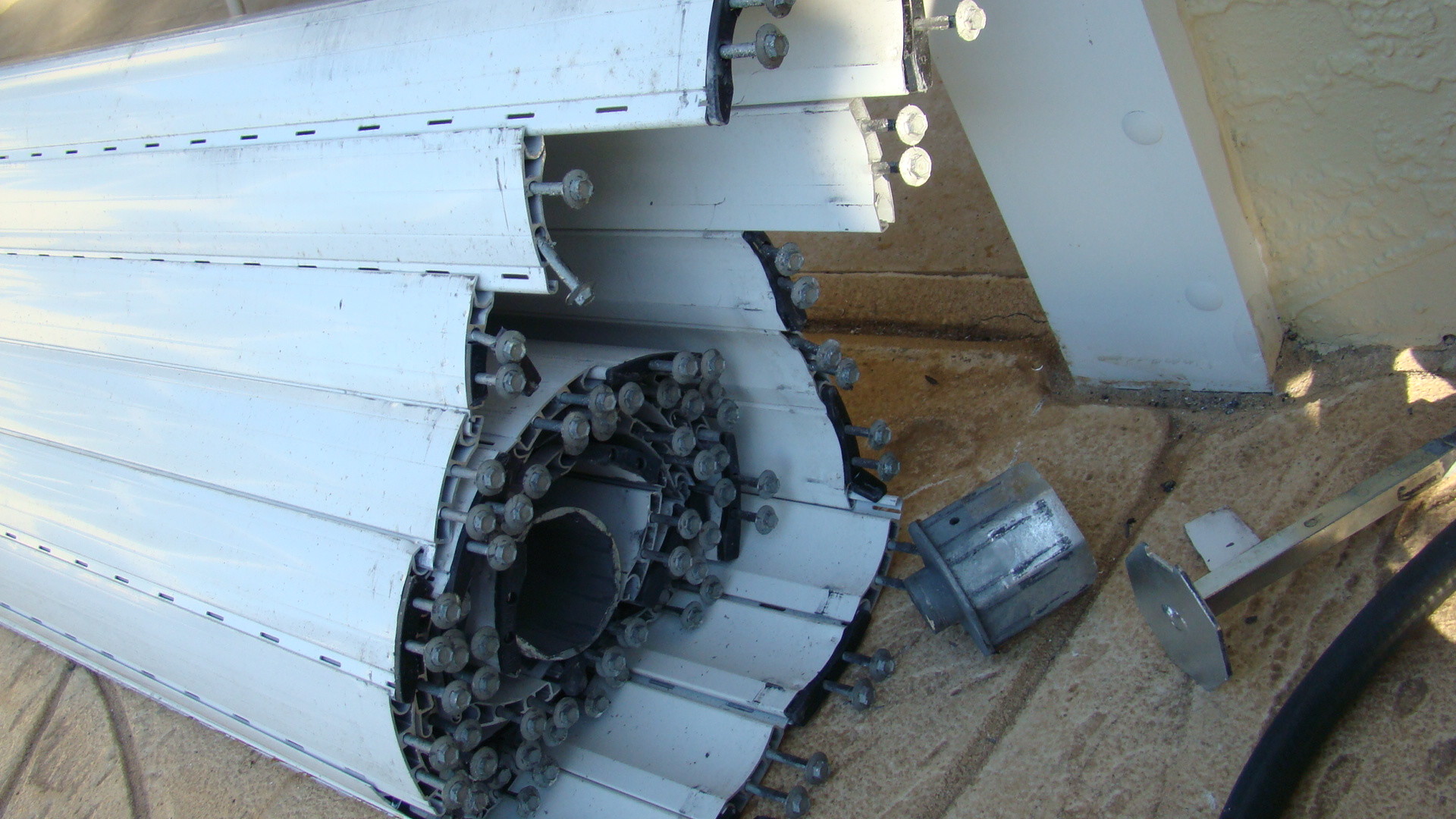
1. Locate the Operating Instructions and Hardware
Identify the shutter type at each opening and locate its operating instructions, crank handles, keys, removable panels, fasteners, and any other required accessories. Store removable parts together in a clearly marked, accessible location.
If you have removable storm panels, confirm that each panel and its hardware are labeled for the correct opening. Do not assume a missing or mismatched fastener is interchangeable with another one.
2. Inspect for Visible Damage and Corrosion
From a safe location, look for bent or loose components, corrosion, cracked or damaged panels, missing fasteners, and visibly distorted tracks or guides. Salt air and moisture can affect exposed hardware in Southwest Florida.
Do not loosen structural attachments, straighten damaged components by force, or climb to inspect hard-to-reach areas. A shutter can move yet still have damage that affects its intended protection.
3. Check Tracks and Accessible Openings
Look for leaves, sand, and other debris in accessible tracks and around shutter openings. Only remove loose debris from a safe position when the shutter is fully stopped and the manufacturer’s instructions allow it.
If a track is bent, a panel rubs or catches, or the shutter needs unusual force to move, stop and arrange an inspection. For more details, see our guide to hurricane shutters that get stuck or will not close.
4. Test Shutter Operation Before Storm Warnings
On a calm day, and only when it is safe to do so, operate shutters according to their manufacturer’s instructions. Watch for sticking, uneven movement, unexpected stops, grinding, or rattling. Make sure you can return the shutter to its normal position without forcing it.
Do not test a damaged or unstable shutter. If an opening is difficult to reach or requires working at height, leave the inspection to a professional.
5. Check Motorized Shutters and Controls
For electric shutters, verify that accessible switches and remotes function as intended. Replace remote batteries only according to the manufacturer’s instructions. Note any humming, intermittent response, slow movement, or shutters that stop partway.
Locate the manufacturer’s instructions for manual or emergency operation, if your system has that feature, but do not improvise a procedure. Never open electrical housings, bypass controls, or force a shutter during a power failure. Read our electric hurricane shutter motor troubleshooting guide for more warning signs.
6. Review Cleaning and Lubrication Instructions
Cleaning methods and lubrication requirements vary by shutter design and manufacturer. Some components should not be lubricated with common household oils or sprays. Using the wrong product may attract debris or interfere with operation.
Follow the instructions for your system rather than applying a one-size-fits-all treatment. Our hurricane shutter maintenance guide explains routine checks and common warning signs.
7. Schedule Needed Repairs Early
If a shutter sticks, shows corrosion or damage, has missing parts, or operates inconsistently, arrange service before a storm is forecast. Demand for repairs may increase as severe weather approaches, and parts may not be immediately available.
For an aging system, ask whether a repair is practical or whether replacement should be considered. Our guide on repairing or replacing older hurricane shutters explains the main factors.
A Simple Pre-Season Shutter Checklist
- Identify each shutter type and locate its operating instructions.
- Confirm that removable panels, handles, keys, and approved fasteners are present.
- Look for visible corrosion, bent tracks, loose components, or panel damage.
- Check accessible openings for debris without reaching into moving parts.
- Test normal operation only when safe and according to the manufacturer’s directions.
- Check motorized controls and note unusual sounds or interrupted movement.
- Record any problems and schedule professional service well before a storm.
When a Storm Is Already Approaching
Follow local emergency-management instructions and the manufacturer’s directions for your shutter system. Do not wait until winds are dangerous to deploy shutters, and never attempt last-minute repairs from ladders or exposed locations. Shutters are only one part of a complete hurricane preparedness plan.
Need Help Preparing Your Shutters?
Jordan’s Shutters provides hurricane shutter repair and maintenance services in Southwest Florida. If your shutters are difficult to operate, show signs of damage, or have not been checked in some time, contact Jordan’s Shutters to discuss a professional service visit.