

Which Hurricane Shutter Operation Is Right for You?
Choosing between manual and motorized hurricane shutters involves more than pressing a button versus turning a crank. Your existing shutter design, the size and location of each opening, ease of operation, maintenance needs, and access to power all matter.
Neither operating method is automatically the better choice for every home. The level of storm protection depends on the specific approved shutter assembly, its installation, condition, and proper use—not simply whether it has a motor.
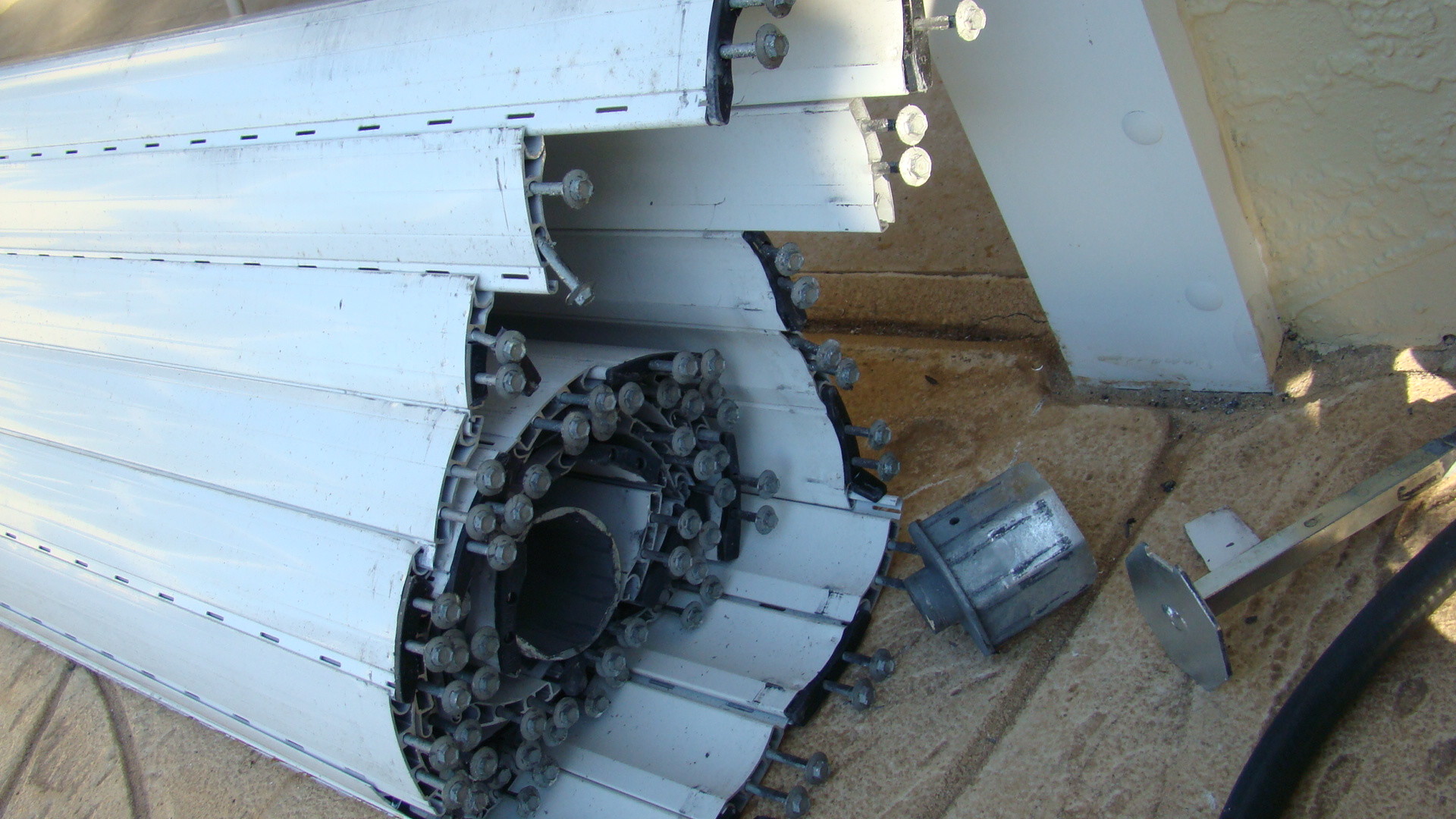
1. How Manual Hurricane Shutters Operate
Manual shutters may use a hand crank, pull strap, sliding panels, folding sections, or removable panels, depending on the system. They do not require an electric motor for their normal operation, but some designs can take more time or physical effort to deploy.
Manual operation can be a practical option for accessible openings. For high, large, or difficult-to-reach shutters, consider whether everyone who may need to operate the system can do so safely.
2. How Motorized Hurricane Shutters Operate
Motorized shutters generally use an electric drive controlled by a wall switch, remote, or compatible control system. They can make routine operation easier, particularly for larger or frequently used roll-down shutters.
Motorized systems also have electrical and control components that may require diagnosis or replacement over time. A motor that hums, stops partway, or operates intermittently does not necessarily need immediate replacement; the cause should be identified first. See our electric shutter motor problems guide.
3. What Happens During a Power Outage?
A manual shutter typically does not depend on household electricity to operate. A motorized shutter may be affected by a power outage unless its specific system has a manufacturer-approved backup or manual override.
Some electric shutters include emergency-operation provisions, but not every motorized shutter has the same features. Locate the instructions for your exact model well before storm season. Never improvise an override, disconnect wiring, or force the shutter.
4. Maintenance Needs for Both Systems
Manual and motorized shutters share many maintenance concerns: salt-air corrosion, debris in tracks, loose hardware, worn components, misalignment, and damage from years of exposure. Both benefit from periodic visual checks and operation only as instructed by the manufacturer.
Motorized shutters also require attention to switches, remotes, wiring, and drive components. Manual systems may need attention to cranks, straps, locks, hinges, and other mechanical operating hardware. For a practical checklist, read our hurricane shutter maintenance guide.
5. Repair Costs and Long-Term Value
Costs depend on shutter type, opening size, access, age, condition, and parts availability. Motorized systems may cost more to service when electrical or drive components need replacement, while manual systems can still require significant repairs if tracks, fasteners, or structural parts are damaged.
Before deciding to upgrade an older shutter, ask whether the existing system is serviceable, whether compatible parts are available, and whether the proposed changes affect its approved configuration. Our repair-or-replace guide covers those decisions in more detail.
6. Can a Manual Shutter Be Converted to Motorized?
Some shutter systems may support a manufacturer-approved motorization option, while others may not. Compatibility depends on the exact shutter model, size, condition, mounting arrangement, and applicable product-approval requirements.
A conversion should be evaluated by a qualified professional. Adding a motor without confirming compatibility and required approvals can create operating or compliance problems.
Manual vs. Motorized: A Quick Comparison
- Ease of use: Motorized shutters generally reduce physical effort; manual operation varies by design.
- Power dependency: Manual systems typically operate without electricity; motorized backup options vary by model.
- Maintenance: Both need mechanical inspection; electric systems have additional controls and drive components.
- Repair considerations: Condition, parts availability, access, and the approved shutter configuration matter more than the operating method alone.
- Storm protection: Evaluate the specific approved product and installation—not the presence or absence of a motor.
Questions to Ask Before Choosing or Upgrading
- Can the shutters be operated safely and reliably by the people in the home?
- What is the approved procedure if power is unavailable?
- Are replacement components still available for the existing shutter model?
- Does a proposed motorization or modification require updated product approval or permitting?
- Would professional maintenance or repair address the current problem?
Need Help With Manual or Electric Shutters?
Jordan’s Shutters provides hurricane shutter repair and maintenance services in Southwest Florida. Whether a manual shutter is difficult to move or an electric shutter is not responding properly, contact Jordan’s Shutters to discuss an inspection or service visit. For seasonal preparation, see our hurricane season preparation guide.